
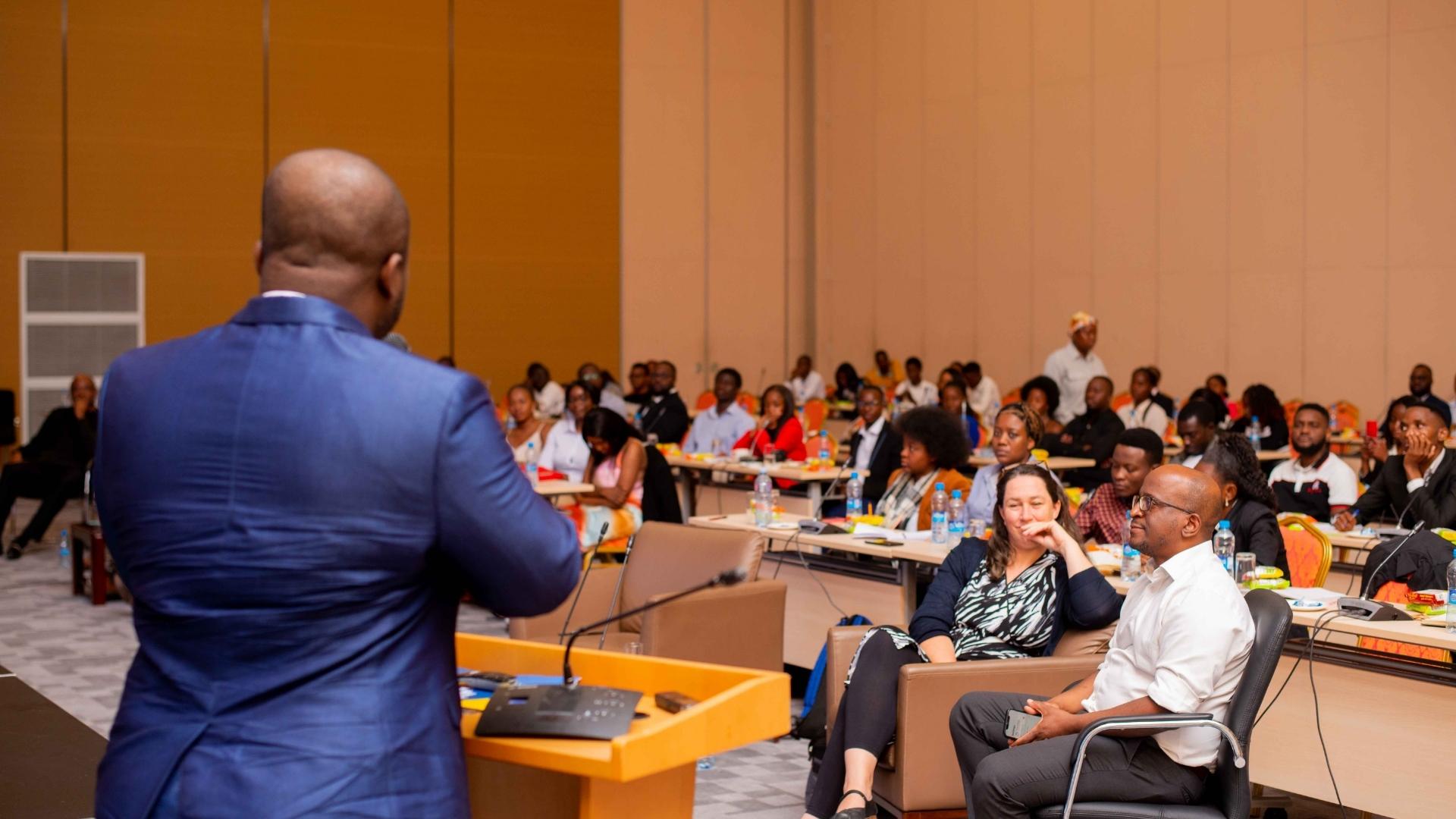
There are moments that quietly remind you of what is possible, not in theory or abstract conversations, but in real spaces where people gather with intention, exchange ideas, and engage meaningfully with one another. Over time, one thing becomes increasingly clear: there is no shortage of talent. You encounter young people who are intelligent, creative, and driven, individuals who genuinely desire to do something meaningful with their lives. Yet, when the opportunity arises for them to step into leadership, many hesitate. Not because they lack ability, but because they have not been exposed to the kind of environments that shape leaders and prepare them for responsibility.
The Difference Between Performance and Leadership
There is a distinct difference between doing well and leading well. Many are trained to perform, to meet expectations, and to achieve measurable results. However, leadership demands something deeper. It requires clarity of thought, a sense of responsibility that extends beyond self, and the ability to navigate uncertainty with intention. These are not qualities that emerge automatically over time. They are cultivated through experience, guided reflection, and consistent exposure to situations that stretch one’s thinking and demand growth.
Why Leadership Must Be Introduced Early
What becomes evident in observing patterns across different spaces is that leadership is often introduced too late. By the time individuals find themselves in positions where leadership is expected, they are left to figure things out in real time, often without the necessary foundation. When young people are instead given the opportunity to engage early, to contribute meaningfully, and to take ownership of ideas within structured environments, something begins to shift. They develop a stronger sense of awareness, not only of themselves but of the impact they can have on others. Leadership, in that context, is no longer perceived as a title to attain, but as a responsibility to carry.
The Power of Intentional Environments
Spaces that prioritise this kind of development are not always common, but they are essential. They create room for individuals to think critically, to engage beyond surface-level conversations, and to grow through both guidance and challenge. More importantly, they provide direction, and direction is often the missing piece for many young people who possess potential but lack clarity. Without direction, potential remains dormant. With the right structure and guidance, it begins to take form.
The Responsibility of Developing Potential
There is also a responsibility that comes with recognising potential in others. It is not enough to acknowledge it; it must be nurtured and developed. This requires intentional effort in creating opportunities where growth is not left to chance, where individuals are supported but also challenged, and where leadership is treated as something to be formed rather than assumed. Over time, the difference becomes evident in how individuals think, how they make decisions, and how they show up in spaces that require influence and accountability.
Preparing Leaders for the Future
The future will not be shaped by talent alone, but by individuals who have been intentionally prepared to lead. Preparation requires more than good intentions; it requires structure, exposure, and a commitment to development that goes beyond surface-level engagement. When these elements come together, the result is not just capable individuals, but leaders who are grounded, thoughtful, and equipped to create meaningful impact.
The difference between potential and impact is rarely talent. It is structure, exposure, and intentional development.
At TheBridge Leadership Room, that process is not left to chance.
If you are serious about developing leaders who can think, act, and lead with clarity, this is where that work begins. Let’s talk.
More From TheBridge Leadership Room .
Building Stronger Communities Through Leadership and Collaboration
Real Change Begins With People Who Care Strong communities are rarely built by chance. They are built intentionally through people...
Read Article →